
Wisdom Tooth Extraction Etobicoke — Safe, Gentle Removal When You Need It Most
Wisdom tooth pain does not wait for a convenient moment. Neither should your dental care.
At Humber Bridge Dental, we provide safe, thorough wisdom tooth extraction for Etobicoke patients — from straightforward erupted wisdom teeth to more complex impacted cases requiring surgical removal. Whether your wisdom teeth are causing pain right now or your dentist has flagged them as a future problem, our team helps you understand your options clearly and move forward with confidence.
We are currently accepting new patients. Same-day tooth extraction appointments are often available for urgent cases. Saturday bookings welcome.
EXCELLENTTrustindex verifies that the original source of the review is Google. I always have such a great experience at Humber Bridge Dental The environment is welcoming and clean, and the staff are truly amazing friendly, professional, and attentive. Dr. Avila makes you feel comfortable, always cracking jokes and keeping things light, which really helps ease any nerves. I also appreciate how honest and patient-focused they are. I’ve seen Dr. Avila & Dr. Rodrigues they are great guys & funny. If I could give them a 10/5, I absolutely would!Posted on GoogleTrustindex verifies that the original source of the review is Google. After years of periodontal disease and former personal addiction problems ,I was so embarrassed to smile, I would cover my mouth anytime I laughed. After afew appointments seeing Dr, Roger. I’m now proud to smile any chance I get . Humber Bridge dental and all it’s staff , you have changed my life forever!! Thank you to everyone there , and a special thank you to Jennifer for convincing me on my first appointment that I needed more than just a cleaning and that my smile could truly be changed forever! Thank you again Dr. Roger for being the best and most encouraging, professional and talented dentist I could ever ask for.Posted on GoogleTrustindex verifies that the original source of the review is Google. Excellence isn’t found in one big moment—it lives in the smallest details. No single gesture defines the experience, but when everything is done with intention, it leaves a feeling a patient never forgets. At Dr. Ávila’s office, every detail matters. The care, the precision, the way they take the time to explain and make you feel at ease. Dr. Ávila brings confidence and professionalism to every visit, and Jennifer’s kindness adds a level of warmth that truly sets this place apart. If you’re looking for a dental office where excellence meets genuine care—where you’re not just another patient, but someone who truly matters—this is the place.Posted on GoogleTrustindex verifies that the original source of the review is Google. The best teamPosted on GoogleTrustindex verifies that the original source of the review is Google. I am a person with mobility issue.When I go to the clinic , I feel very comfortable and I would leave feeling better than when I walked in. The dentist in the clinic, is very professional patient, honest, and he would recommend and ask you a questions.Every time I go there , I feel very comfortable.. The receptionists very welcoming and warm and they follow-up with your treatment. Even the hygeinst very attentive when I was doing the cleaning, he never lifted his eyes from me, just in case 8f i needed something. I highly recommend this clinic.Posted on GoogleTrustindex verifies that the original source of the review is Google. I have been a patient of this dentist for six years, and his expertise and professionalism have been consistently outstanding. He possesses exceptional knowledge and skill, particularly in reconstructive molar work and smile design, where his attention to detail is truly artistic. He is also remarkably honest and provides recommendations based solely on what is genuinely necessary. I highly value the quality of care he delivers.Posted on GoogleTrustindex verifies that the original source of the review is Google. Great location great stuff and great dentists! Dr.Rodriguez amazing the best dentist in Etobicoke! Jennifer is very sweet!Posted on GoogleTrustindex verifies that the original source of the review is Google. Unfortunately, I have had a rather bad experience both times I came to the office. The first time, upon my initial appointment booking, I asked explicitly for a possibility to do both a cleaning and a checkup appointment since I have to take time off work. I was told it wasn't possible, and I was then booked for 4pm. However, in a couple of days I received a text notifying me that my appointment was moved to 3pm, without my consent or prior contact. I assumed - which admittedly in retrospect I shouldn't have - that there was an opening for both the checkup and the cleaning to be done at the same time, hence the rescheduling, but upon arrival I shortly found out it was just an appointment moved up without explicit agreement from my end, and I would still have to go back again, having taken extra time to come in early already. That brings me to my second visit. I was supposed to come in at 4pm, but on the day they asked me if I could come in at 3:30pm instead. I had some flexibility with work, so I chose to accommodate, however they still made me wait until pretty much 3:55pm when they finally were able to see me. They apologized for that - only after I asked if I would be seen shortly around 3:50pm. Then both the cleaning assistant and the dentist rushed through the work like there was a fire they were due to be putting out elsewhere, and as a result I ended up with a filling that started to feel off the moment the anesthesia began to subside. As a cherry on top, my final totals for the day were miscalculated, I was supposed to get a refund e-transferred which I never received, and having brought up my concerns about the filling feeling off as I was waiting for the accounting mistake to be rectified, I was essentially blamed for not noticing earlier when my mouth was still numb from anesthesia. And since the dentist was in such a hurry to rush out, I am supposed to be coming again. Very unfortunate, and I will definitely be taking my business elsewhere after this follow-up to get the filling adjusted. I really wanted to love the place since it was so conveniently located for me, but today was the last straw for sure.Verified by TrustindexTrustindex verified badge is the Universal Symbol of Trust. Only the greatest companies can get the verified badge who has a review score above 4.5, based on customer reviews over the past 12 months. Read more
Understanding Wisdom Tooth Extraction Cost at Humber Bridge Dental
Wisdom teeth — your third molars — typically emerge between the ages of 17 and 25. For many patients, there simply is not enough room in the jaw to accommodate them properly.
When wisdom teeth cannot fully erupt, they become impacted—meaning they are trapped beneath the gum, pressing against neighbouring teeth, or growing at an angle that causes ongoing damage. Even wisdom teeth that have partially emerged can create deep pockets where bacteria accumulate, leading to infection, decay, and gum disease that spreads to adjacent healthy teeth.
According to the Canadian Dental Association, impacted wisdom teeth are one of the most common reasons adults require oral surgery. Early assessment and timely removal prevent a manageable situation from becoming a more complex — and more expensive — one.
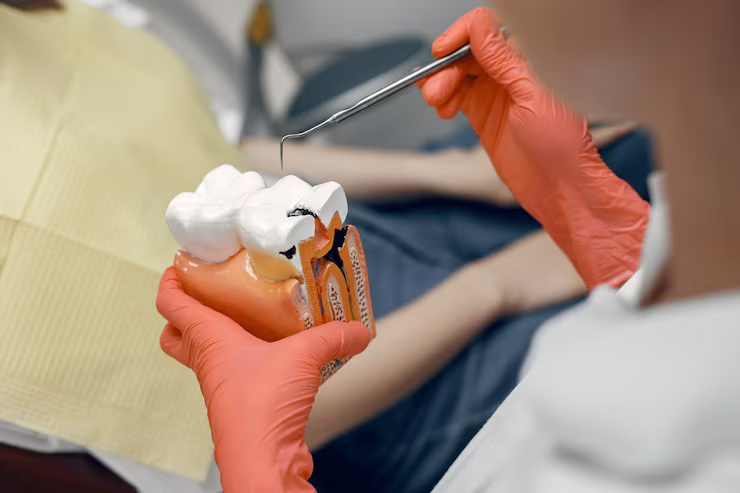
- You may need wisdom teeth removal if you are experiencing:
- Throbbing or persistent pain in the back of the jaw
- Swollen, red, or bleeding gums around a partially emerged tooth
- Difficulty opening your mouth fully
- Bad taste or odour coming from the back of the mouth
- Crowding or shifting of neighbouring teeth
- Repeated infections in the same area
- A dentist's recommendation based on X-ray findings
Not every wisdom tooth needs to come out immediately. At Humber Bridge Dental, we assess each case individually and only recommend extraction when it is genuinely in your best interest.

Wisdom Tooth Extraction Services at Humber Bridge Dental
Simple Wisdom Tooth Extraction
When a wisdom tooth has fully erupted through the gum and has a straightforward root structure, a simple extraction is usually all that is needed. The tooth is loosened and removed in a single appointment with local anaesthetic. Most patients are surprised by how quick and comfortable the process is.
Same-Day Tooth Extraction for Urgent Cases
If you are in pain right now, do not wait. Humber Bridge Dental offers same-day tooth extraction appointments for patients dealing with acute infection, severe pain, or dental emergencies. Call us directly and we will do everything we can to see you the same day.
Surgical Wisdom Tooth Removal
Impacted wisdom teeth—those still partially or fully beneath the gumline—require a surgical approach. Dr. Roger Avila carefully removes a small amount of gum tissue to access the tooth, sections it if needed for safe removal, and closes the site with dissolvable and closes the site with dissolvable
Full Examination and Treatment Planning
Before any extraction, we take digital X-rays to assess the position, depth, and root structure of your wisdom teeth. This lets us give you an accurate picture of what the procedure involves, how long recovery is likely to take, and exactly what it will cost—before we begin.
Understanding Wisdom Tooth Extraction Cost at Humber Bridge Dental
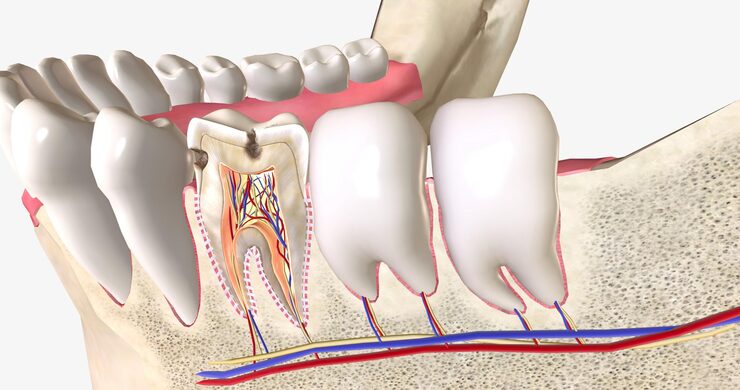
One of the most common questions we receive is about tooth extraction cost—and it is a fair one. We believe you should never walk into a dental procedure without knowing what you will pay.
- Tooth removal cost at our Etobicoke clinic depends on several factors:
- Whether the extraction is simple or surgical
- How deeply impacted the wisdom tooth is
- The number of teeth being extracted in one visit
- Whether sedation is required
- Your dental insurance plan and annual benefit limits
Most standard dental insurance plans in Ontario cover a portion of wisdom teeth removal, and some plans cover surgical extraction in full with a referral. Our front desk team will review your coverage with you before your appointment so there are no surprises.
If you are searching for dental extraction near me in Etobicoke or want to understand your specific dental extraction cost before committing, call us at 416-231-4132. We will give you a clear, personalized estimate based on your X-rays and treatment needs—at no obligation, before any treatment begins.
Wisdom Teeth Removal Recovery — What to Expect
Understanding what happens after your extraction helps recovery go smoothly. Most patients are back to normal daily activities within two to four days following a simple extraction and within four to seven days after surgical removal of impacted wisdom teeth.
Bleeding is normal and controlled with the gauze provided at your appointment. Keep the gauze in place with gentle pressure for the first hour. Avoid rinsing forcefully, spitting, or using a straw—these actions can dislodge the blood clot that protects the extraction socket.
Swelling typically peaks around 48 to 72 hours after surgery. Applying an ice pack in 20-minute intervals during the first day helps manage this significantly. Rest, keep your head slightly elevated, and avoid strenuous activities.
Soft foods are your friend during this phase — yogurt, scrambled eggs, mashed potatoes, smoothies, and soup are all good options. Avoid eating crunchy, chewy, or very hot foods. Gentle warm saltwater rinses starting 24 hours after surgery help keep the socket clean and support healing.
Most patients manage discomfort effectively with over-the-counter pain relief such as ibuprofen or acetaminophen. If prescription pain medication is appropriate for your case, Dr. Avila will discuss this with you at your appointment.
- Days 1–3: Initial healing, some swelling and mild bleeding expected
- Days 3–7: Swelling reduces, soft tissue begins to close over the socket
- Weeks 2–4: Gum tissue heals fully over the extraction site
- Months 1–3: Bone gradually fills in the socket beneath the healed gum
Contact our clinic promptly if you experience worsening pain after day three, fever, foul taste, or visible dry socket—a condition where the protective clot is lost. We address these quickly and comfortably.
A complete post-extraction care guide is provided at every appointment.
Why Etobicoke Patients Choose Humber Bridge Dental for Tooth Extraction
An Experienced, Familiar Team
Dr. Roger Avila has been performing tooth extractions—including complex surgical wisdom tooth removal—at our Etobicoke clinic since 2008. You are not being referred to a stranger. You are treated by the same dentist who knows your dental history and your comfort level.
Learn more about Dr. Avila and our clinical team.
Transparent Pricing Before Treatment Begins
We do not start any extraction without walking you through the full cost first. If your case requires a referral to an oral surgeon, we will tell you that too — honestly and early — so you can plan accordingly.
Calm, Supportive Environment for Anxious Patients
Dental anxiety around extractions is completely normal. We go at your pace, explain each step before we do it, and offer options for patients who need extra support to feel comfortable. Many of our most anxious patients tell us the anticipation was far worse than the procedure itself.
Finding Dental Extraction Near You in Etobicoke
If you have been searching for dental extraction near me or same-day tooth extraction in West Toronto, Humber Bridge Dental is centrally located to serve you.
Our clinic is at 4132 Dundas Street West, Etobicoke — steps from Islington TTC station, near the intersection of Dundas and Islington, with street parking available nearby. We see patients from across the west end, including The Kingsway, Mimico, Rexdale, Islington Village, Stonegate-Queensway, and Bloor West Village.
Hours: Monday 9am–6pm | Tuesday–Friday 9am–5pm | Alternate Saturdays 9am–4pm
Same-day appointments for urgent extractions are often available — call early in the day for the best chance of a same-day booking.
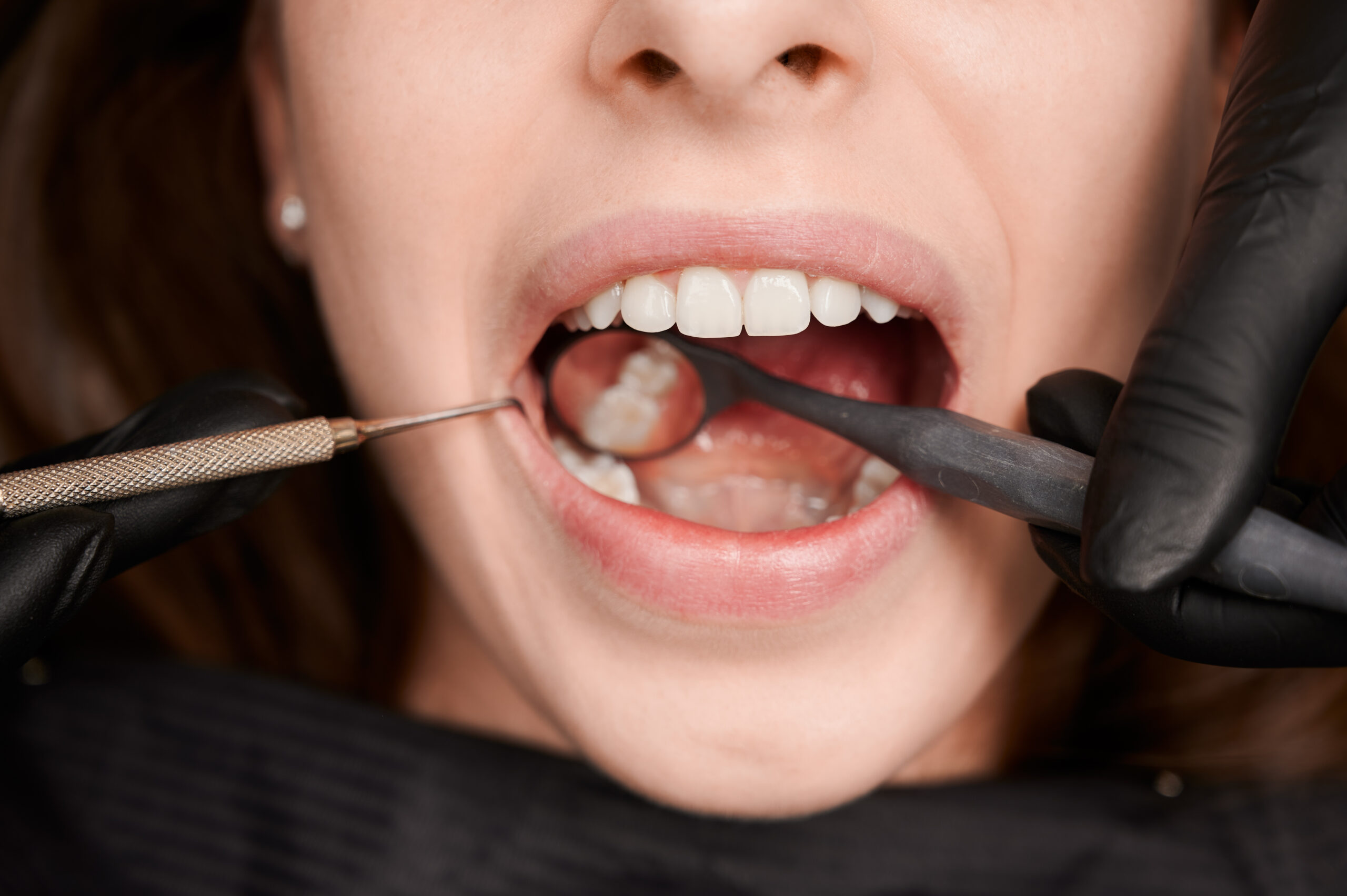
Book Your Wisdom Tooth Extraction in Etobicoke Today
Whether your wisdom teeth are causing pain right now or you want a professional assessment before problems develop, Humber Bridge Dental is ready to help.
We provide complete wisdom teeth removal services—from simple extractions to surgical impacted cases—with transparent pricing, compassionate care, and a team that has been trusted in Etobicoke since 2008.
New patients are always welcome. Same-day appointments often available. Saturday hours available.
Book Your Extraction Appointment—Call 416-231-4132. Visit: 4132 Dundas Street West, Etobicoke, Ontario M8X 1X3
FAQ
Frequently Asked Questions — Wisdom Tooth Extraction Etobicoke
When should wisdom teeth be removed?
Wisdom teeth should be removed when they are causing pain, infection, crowding, or damage to neighbouring teeth, or when X-rays show that future problems are likely. Some patients have their wisdom teeth removed proactively in their late teens or early twenties, when roots are less developed, and recovery tends to be faster.
How much wisdom tooth extraction cost in Etobicoke?
Tooth removal cost depends on whether a simple or surgical extraction is required, how deeply the tooth is impacted, the number of teeth being removed, and your insurance coverage. Call Humber Bridge Dental at 416-231-4132 for a personalized cost estimate based on your specific situation—we provide full pricing transparency before any treatment begins.
Is wisdom tooth extraction painful?
The extraction itself is performed under local anaesthetic, so you should feel pressure—present but not sharp pain.
How long is wisdom teeth removal recovery?
Most patients recover from a simple extraction within two to four days. Surgical removal of impacted wisdom teeth typically requires four to seven days before returning to normal activity.
What is a dry socket, and how do I avoid it?
Dry socket occurs when the protective blood clot in the extraction site is dislodged before the wound has healed, exposing the underlying bone.
Do you offer same-day wisdom tooth extraction?
Yes. For patients in acute pain or dealing with an infected wisdom tooth, we do our best to offer same-day tooth-extraction appointments.
Can all four wisdom teeth be removed at once?
In many cases, yes. Removing all four wisdom teeth in a single appointment means one recovery period instead of four.