
When people talk about mobile gaming, they’re usually referring to games that run on a phone or tablet and can be played anywhere, anytime. The term covers everything from casual match‑three puzzles to hyper‑casual endless runners. What unites them is a lightweight engine, touch controls, and the ability to pause and resume in the middle of a commute or a coffee break.
How the Numbers Tell a Story
In 2023, the UK’s mobile gaming market grew by 12 % in revenue, reaching £1.3 billion. That figure is larger than the country’s total spending on traditional board games. The average UK player spends 1 hour and 45 minutes per week on a mobile title, a jump of 25 % from the previous year. The most popular genres are puzzle (29 % of playtime) and casual strategy (18 %).
What makes these numbers interesting is the demographic spread. Over 60 % of mobile gamers in the UK are under 35, but the segment aged 35‑54 has seen the fastest growth, up 30 % in recent months. That shift shows that mobile games are no longer a niche for the young; they’re becoming a staple of everyday leisure for a broader age range.
Why Touch Controls Matter
Touch screens replace a mouse and keyboard with fingers. That might sound trivial, but the change forces designers to simplify interfaces. A good example is the “tap‑to‑move” mechanic used in endless runners. It eliminates the need for a joystick, reducing the learning curve to a single gesture. For casual players, this means a game can be picked up without a tutorial, which is why titles like “Candy Crush” have over 100 million active users worldwide.
Another benefit is the “instant feedback” loop. A swipe that results in a visual flourish or a sound cue gives players an immediate sense of progress. That immediacy keeps engagement high and reduces the likelihood of abandoning a game after a single session.
The Rise of Micro‑transactions and Social Features
Micro‑transactions have become a standard revenue model for casual titles. Players can buy a handful of extra lives for £0.99 or a premium skin for £1.99. The key is that the price points are low enough to feel like a small indulgence rather than a big purchase. In the UK, 45 % of casual gamers have spent money on in‑app items, and 12 % have spent more than £10 in a single month.
Social features—leaderboards, friend invites, and shared achievements—add a layer of competition that turns solitary play into a community experience. A recent study found that players who share a high score on social media are 37 % more likely to return the next day.
Accessibility and Inclusivity on the Go
Mobile gaming platforms support a range of accessibility options. Built‑in screen readers, high‑contrast modes, and adjustable text sizes are now standard in most major releases. For gamers with motor impairments, “single‑tap” controls reduce the physical strain associated with traditional controllers.
Moreover, the ability to download a game once and play it offline means that players in rural areas or on limited data plans can still enjoy the same experience as those in urban centers. This inclusivity is a significant factor in the market’s rapid expansion.
From Pocket to Play: A Quick Detour
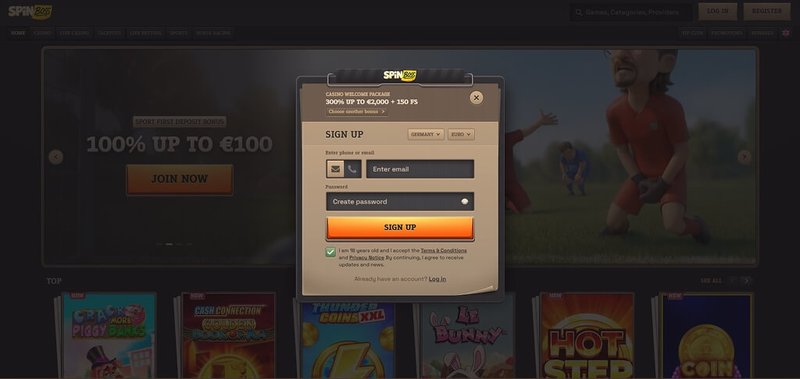
While scrolling through a game on your phone, you might notice a sudden pop‑up offering a chance to try a new slot machine. That crossover between casual mobile games and online casino platforms is growing. Players who spend a few minutes on a puzzle app often find themselves exploring the world of digital gambling. If you’re curious about how the same convenience applies to casino games, you might want to check out Spinboss casino for a taste of that blended experience.
What Keeps Players Coming Back
Three core factors drive repeat engagement: variety, reward pacing, and social interaction. Developers release new levels or challenges weekly, ensuring fresh content. Reward pacing—small wins followed by larger milestones—keeps the dopamine cycle active. Social interaction, whether through multiplayer modes or community events, creates a sense of belonging that turns casual play into a habitual pastime.
Conclusion: A New Normal for Leisure
Mobile gaming has moved beyond a niche pastime. It now occupies a central place in the UK’s leisure landscape, offering quick, accessible entertainment that fits into the modern, fragmented schedule. The combination of simple controls, low‑cost micro‑transactions, and built‑in social features means that anyone can jump in, enjoy a few minutes, and feel part of a larger community. As the technology continues to evolve, the boundary between casual play and other forms of digital entertainment will only blur further, promising even more integrated experiences for players of all ages.
Frequently Asked Questions
What exactly is mobile gaming?
Mobile gaming refers to any game that runs on smartphones or tablets, featuring touch controls and lightweight engines for on‑the‑go play.
What types of games are included?
It ranges from casual match‑three puzzles to hyper‑casual endless runners, all designed for quick sessions and easy pausing.
How big is the UK mobile gaming market?
In 2023 the UK market grew 12 % in revenue, reaching £1.3 billion, reflecting strong consumer engagement.
Why is touch control important?
Touch controls enable instant interaction and intuitive gameplay, making mobile games accessible to a wide audience.