
Root Canal Treatment Etobicoke — Save Your Tooth, End the Pain
Root canal. Two words that make most patients anxious before they have even heard the details.
The reality is almost always the opposite of the fear. Root canal treatment does not cause pain — it ends it. For patients suffering from a deeply infected or severely damaged tooth, a root canal is the procedure that stops the pain, saves the natural tooth, and prevents a far more complicated situation from developing.
At Humber Bridge Dental, we provide gentle, thorough root canal treatment for Etobicoke patients in a calm, supportive environment. Dr. Roger Avila takes the time to explain every step clearly, ensure you are fully comfortable before treatment begins, and deliver results that protect your natural tooth for years to come.
If you are in pain right now, do not wait. Same-day appointments are often available for urgent cases.
We are currently accepting new patients. Saturday appointments available. Same-week bookings are often possible.
What Is Root Canal Treatment and Why Is It Needed?
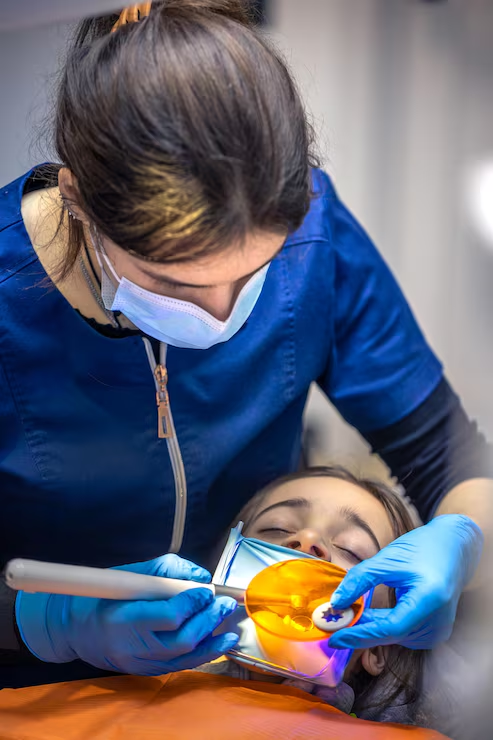
Every tooth contains a soft inner chamber called the pulp—a network of nerves, blood vessels, and connective tissue that runs from the crown of the tooth down through the roots and into the surrounding jawbone. When the pulp becomes infected or irreversibly damaged, it cannot heal on its own. Left untreated, the infection spreads beyond the root tip, forms an abscess, destroys surrounding bone, and can ultimately force the tooth to be extracted entirely.
Root canal treatment — also called endodontic treatment — removes the infected or damaged pulp from inside the tooth, cleans and shapes the root canals, disinfects the interior thoroughly, and seals the tooth permanently. The tooth is then restored with a crown to protect it from fracture and return it to full function.
The result is a tooth that is free of infection, free of pain, and capable of lasting decades — often a lifetime — with proper care and regular monitoring.
According to the Canadian Dental Association, root canal treatment has a success rate of over 90% and is one of the most reliable procedures in modern dentistry. Saving a natural tooth through root canal treatment is almost always preferable to extraction—natural teeth support jawbone health, maintain bite alignment, and function better than any replacement option available.
Signs You May Need Root Canal Treatment
Root canal dentistry addresses problems that originate deep within the tooth—below the surface where regular fillings cannot reach. The infection or damage driving these symptoms will not resolve without professional intervention.
You may need root canal treatment if you are experiencing:
- Severe, persistent toothache — especially throbbing or spontaneous pain
- Prolonged sensitivity to heat or cold that lingers after the source is removed
- Sharp pain when biting or applying pressure to a tooth
- Darkening or discolouration of a tooth
- Swelling, tenderness, or a pimple-like bump on the gum near a tooth
- A cracked or fractured tooth that has exposed the inner pulp
- A tooth that was previously injured and has now become painful or discoloured
- An abscess identified on dental X-rays even without obvious symptoms
It is important to note that some teeth requiring root canal treatment present with no pain at all — particularly in cases where the pulp has died and the infection is spreading silently. This is why regular dental examinations and X-rays at Humber Bridge Dental are so important for catching these problems before they become dental emergencies.
If you are experiencing any of these symptoms, call us at 416-231-4132. Same-day appointments are frequently available for patients in acute pain.
Signs You May Need Root Canal Treatment
Single-Visit Root Canal Treatment
The majority of root canal cases at Humber Bridge Dental are completed in a single appointment. Dr. Avila removes the infected pulp, cleans and shapes the root canals with precision instruments, disinfects the interior of the tooth, and places a permanent filling to seal the canals. A temporary or permanent crown is then discussed to complete the restoration.
Single-visit root canal treatment is appropriate for most straightforward cases and means you leave the appointment with the infection resolved and the tooth sealed—no prolonged open treatment or multiple visits required.
Multi-Visit Root Canal Treatment
More complex cases — including teeth with severe or long-standing infections, multiple curved canals, or previous failed root canal treatment requiring retreatment — may require two or more appointments to complete safely. In these cases, Dr. Avila places a medicated dressing inside the tooth between visits to ensure the infection is fully resolved before the canals are permanently sealed.
He explains at your assessment appointment whether your case is suitable for single-visit treatment or requires a staged approach, so you know exactly what to expect from the outset.
Root Canal Retreatment
Occasionally a tooth that has had previous root canal treatment develops a new infection or fails to heal properly. This can happen years after the original procedure due to new decay, a crack in the tooth, or inadequately treated canals from the first treatment. Root canal retreatment involves reopening the tooth, removing the existing filling material, thoroughly re-cleaning and reshaping the canals, and resealing the tooth.
Dr. Avila assesses retreatment cases carefully and advises honestly on whether retreatment at our Etobicoke clinic is appropriate or whether referral to an endodontist—a root canal specialist—would give a better outcome for a particularly complex case.


When a Root Canal Specialist Is Needed
For cases of exceptional complexity—severely calcified canals, unusual root anatomy, or cases where previous treatment has left separated instruments inside the canals—Dr. Avila refers patients to a trusted endodontist in the Etobicoke area. He coordinates this referral directly and remains your primary dentist throughout, providing the crown restoration once specialist treatment is complete.
We believe in honest assessment over attempting every case in-house. If a root canal specialist will give you a better result, we say so.
The Root Canal Treatment Process — Step by Step
A dental abscess is a bacterial infection that develops inside or around a tooth and can spread quickly if left untreated. Signs include a persistent throbbing pain, visible facial swelling, fever, and a foul taste in the mouth. This is not a situation to manage at home with painkillers. Come in the same day—or go directly to the emergency room if you are experiencing difficulty breathing or swallowing.
Dental Trauma from an Accident or Injury
Understanding exactly what happens during root canal treatment is one of the most effective ways to reduce anxiety about the procedure. Here is what to expect at Humber Bridge Dental.
Step 1—Examination and X-Rays
Dr. Avila takes digital X-rays to assess the extent of infection, the number and shape of the root canals, and the condition of the surrounding bone. He reviews his findings with you clearly, confirms root canal treatment is the appropriate course of action, and outlines the full treatment plan before anything begins.
Step 2 — Local Anaesthetic
The area around the tooth is fully numbed with local anaesthetic before treatment begins. Modern anaesthetic techniques mean that root canal treatment is no more uncomfortable than having a filling placed for the vast majority of patients. Dr. Avila does not proceed until you confirm you are completely comfortable.
Step 3 — Isolation and Access
A small rubber dam is placed around the tooth to keep it clean and dry throughout the procedure. Dr. Avila creates a small opening through the top of the tooth to access the pulp chamber and root canals.
Step 4 — Pulp Removal and Canal Cleaning
Using a series of small precision instruments, Dr. Avila carefully removes the infected or damaged pulp tissue, shapes each root canal, and irrigates the interior thoroughly with disinfecting solution to eliminate bacteria and debris. This is the most important stage of treatment and is performed with care and precision.
Step 5 — Sealing the Canals
Once the canals are clean, shaped, and dried, they are filled with a biocompatible material called gutta-percha and sealed permanently. In single-visit cases, this is completed at the same appointment.
Step 6 — Crown Placement
Following root canal treatment, most teeth require a dental crown to protect the remaining tooth structure from fracture—root-treated teeth are more brittle than vital teeth and can crack under normal biting forces without the protection of a crown. Dr. Avila discusses crown placement at your root canal appointment and coordinates timing so your tooth is protected as quickly as possible.

Root Canal Treatment Aftercare — What to Expect
Understanding recovery helps you manage the days following treatment comfortably and confidently.
Immediately After Treatment
It is normal to experience mild soreness or tenderness around the treated tooth for two to four days following root canal treatment. This is a response to the instrumentation of the canals and the resolution of inflammation — not a sign that something has gone wrong. The vast majority of patients manage this discomfort effectively with over-the-counter pain relief such as ibuprofen or acetaminophen.
Avoid chewing on the treated side until your permanent crown is placed, particularly if a temporary filling has been used to seal the tooth between visits.

The First Week
Swelling, if present before treatment, should begin to reduce within 48 to 72 hours. If you were prescribed antibiotics for a pre-existing abscess, complete the full course as directed. Contact Humber Bridge Dental promptly if you experience worsening pain after the third day, significant swelling, or fever—these are uncommon but warrant prompt assessment.

Long-Term Care
Once your crown is placed, care for your root-treated tooth exactly as you would a natural tooth—brush twice daily, floss daily, and attend regular professional cleaning appointments at Humber Bridge Dental. Dr. Avila monitors the health of root-treated teeth at every routine visit with X-rays to confirm the surrounding bone is healthy and the treatment remains successful.
Understanding Root Canal Cost at Humber Bridge Dental
Knocked-out tooth: Handle it by the crown only. Rinse gently with water — do not scrub. Reinsert it into the socket if possible, or store it in milk. Call us immediately.
Cracked or broken tooth: Rinse with warm water. Apply a cold compress to the outside of your cheek if there is swelling. Avoid biting on the affected side.
Toothache: Rinse with warm saltwater. Over-the-counter pain relievers can temporarily reduce discomfort—do not place aspirin directly against the gum tissue. Call us right away.
Dental abscess: Do not attempt to drain it yourself. Apply a cold compress for swelling. If you develop difficulty swallowing or breathing, go directly to the emergency room.
Bleeding from soft tissue: Apply gentle, sustained pressure with clean gauze or a cloth. If bleeding is heavy and does not stop within 15 minutes, seek emergency medical care.
These steps manage the situation temporarily. None of them replace professional emergency dental care. Call 416-231-4132 as soon as possible.

Walk-In Emergency Dental Clinic in Etobicoke — New Patients Welcome
Not everyone has a regular dentist. And even patients who do may not be able to get an urgent same-day appointment when they need one most. As a walk-in dental clinic in Etobicoke, Humber Bridge Dental welcomes new patients seeking emergency care — no referral required, no existing relationship necessary.
If you are searching for a walk-in dentist near you in Etobicoke or a dental ER near you that does not require an existing patient relationship, call us at 416-231-4132 and let us know what you are dealing with. We will find a way to get you in.
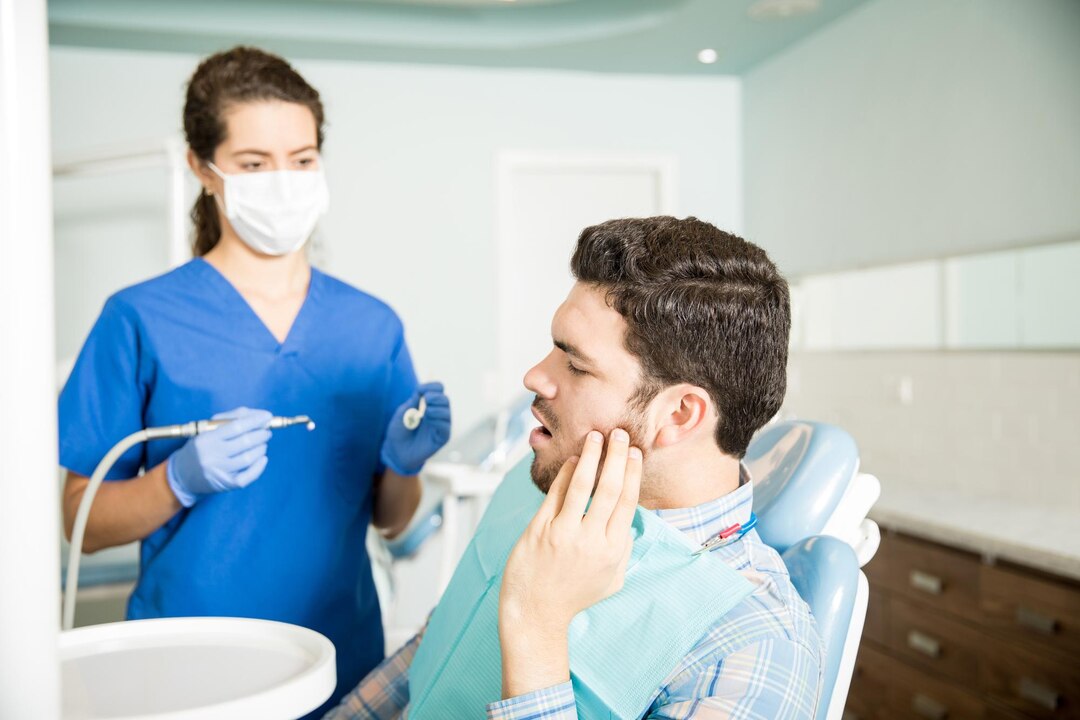
Flexible Hours at Our Etobicoke Emergency Dental Office
Dental emergencies do not only happen during business hours, but knowing you have a reliable emergency dental clinic available during the hours we are open makes a real difference.
Our office hours are:
- Monday: 9 am – 6 pm
- Tuesday – Friday: 9 am – 5 pm
- Alternate Saturdays: 9 am – 4 pm
- Sunday: Closed
We serve patients from across Etobicoke and the surrounding communities, including Rexdale, Mimico, New Toronto, Islington, The Kingsway, Bloor West Village, Long Branch, and West Toronto. Our office at 4132 Dundas Street West is easily accessible from across central and west Etobicoke, with street parking available near the office.
If you experience a life-threatening situation—such as severe facial swelling affecting your airway or uncontrolled bleeding—go directly to the nearest hospital emergency department. For all other urgent dental situations during our operating hours, we are your first call.

Book Your Emergency Dental Appointment in Etobicoke Today
Every hour of delay with a dental emergency increases your risk of complications, additional damage, and more complex treatment. Our team is here, our schedule is open for urgent cases, and we are ready to help.
New patients are always welcome. Same-day emergency appointments available. Saturday hours on alternating weeks.

FAQ
Frequently Asked Questions — Family Dentistry Etobicoke
What counts as a dental emergency?
Any situation involving severe pain, significant bleeding, swelling, dental trauma, or risk of infection or permanent tooth loss. When in doubt, call us — we assess your situation over the phone and advise you on next steps.
Can I walk in without an appointment?
We strongly recommend calling ahead at 416-231-4132 so we can prepare for your arrival and minimize your wait. Calling first ensures we can prioritize your care from the moment you arrive.
What if my toothache goes away on its own?
Do not assume the problem has resolved. Pain that disappears suddenly often means the nerve inside the tooth has died—which is not recovery. The underlying cause almost always remains and will require treatment. Book an appointment even if the pain has stopped.
Do you treat children for dental emergencies?
Yes. We see patients of all ages, including children, for emergency dental care. If your child has experienced a dental injury or is in significant oral pain, call us right away.
How quickly can I be seen?
We make same-day emergency appointments available whenever possible. Call us as early in the day as you can so we can accommodate you without delay.
Is emergency dental care covered by insurance?
OHIP does not cover most dental procedures for adults. Many private dental insurance plans do include emergency coverage. Check your policy or call our office — our team will help you understand your benefits before treatment begins.
What if I have an emergency outside your office hours?
If you are experiencing a life-threatening situation—difficulty breathing or swallowing due to swelling—go directly to the nearest emergency room. For non-life-threatening situations outside our hours, call our office for any after-hours guidance. We will do everything we can to connect you with timely care.
Where is your emergency dental clinic in Etobicoke?
We are located at 4132 Dundas Street West, Etobicoke, near the Dundas and Islington area, with street parking available nearby. Call 416-231-4132 for directions or to book your emergency appointment.
Book An Appointment
Reserve your time now and take the first step towards your dental goals.